
The Chapel of San Pawl tat-Tarġa
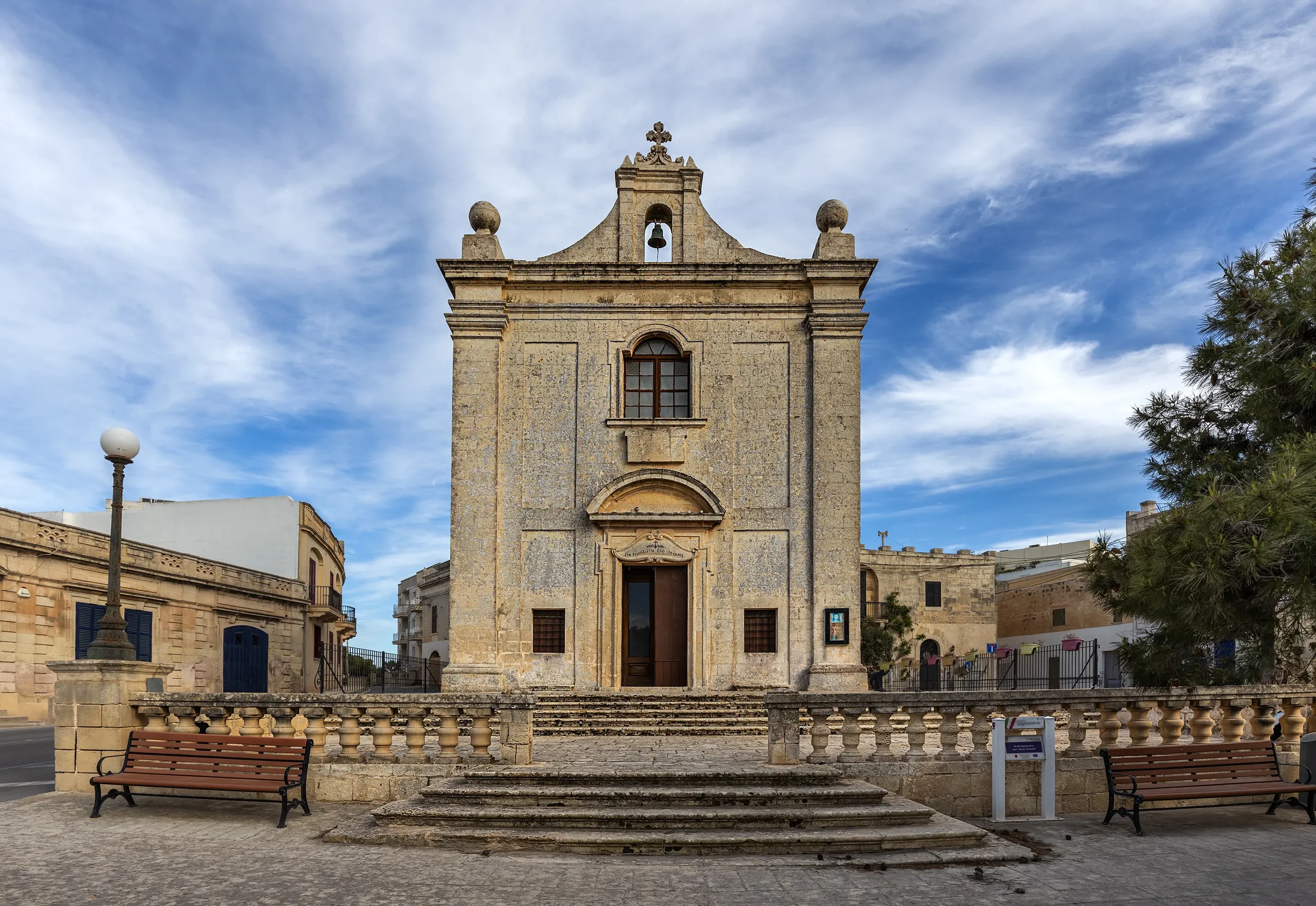
Il-Kappella ta’ San Pawl tat-Tarġa. Photo: Marika Caruana
The chapel of Pawl tat-Tarġa stands on a hill between Burmarrad and Naxxar. It is not a large chapel, nor is it richly decorated, yet its setting immediately draws attention. Over time, its elevated position, its link to the Pauline tradition, and the steady support of the local community have given it a significance that goes well beyond its modest scale.
The chapel of San Pawl tat-Tarġa stands in a commanding position on a hill. Built on a wide elevated parvis and approached by two flights of steps, it rises above land once known as Ħal Miselmiet, a name that today survives only in memory.
The legend behind the name
In Naxxar, the legacy of Saint Paul’s shipwreck and the spread of Christianity across Malta remains deeply rooted in local tradition. This is hardly surprising: the village lies closest to where the Apostle’s ship is believed to have run aground. Even the name Naxxar is often linked to the word nassar, meaning “one who Christianises.”
According to long-held tradition, it was on this very site that Saint Paul preached to the island’s inhabitants. Whether legend or fact, the association has shaped the identity of the place for centuries.
The first chapel here predates the present building by more than a hundred years. It is recorded in Bishop Pietro Dusina’s pastoral visit of 1575 and was already dedicated to the Conversion of Saint Paul. That earlier structure stood across the road from the present chapel. Today, a column surmounted by a cross marks the spot where it once stood.
The current chapel was constructed between 1690 and 1699. From the outset, it was sustained by the local community. Donations of land, small agricultural holdings and monetary legacies provided income for Masses and maintenance. Records from the late seventeenth century already refer to obligations to light the sanctuary lamp weekly and to celebrate sung Mass on feast days — evidence of an organised and committed devotion.
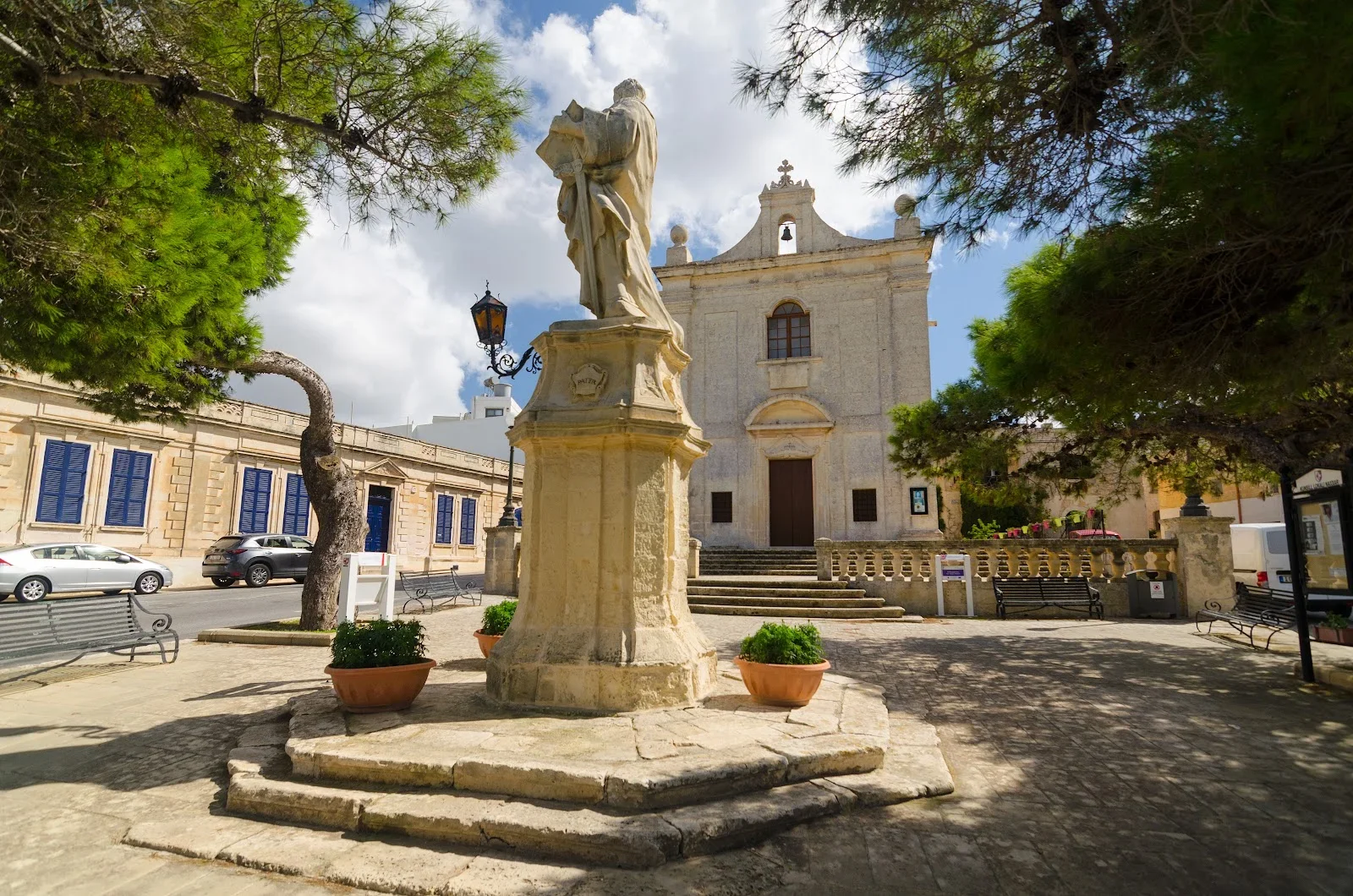
The statue and the parvis
In 1770, a large stone statue of Saint Paul was erected on the parvis through public contributions. The saint faces the old northern road, reinforcing the idea of the chapel as a waypoint along the Pauline route towards St Paul’s Bay.
The elevated parvis is central to the chapel’s character. By lifting the building above its surroundings, it gives the impression of a structure set on a podium, almost temple-like in form. From certain angles — particularly from the left — the silhouette appears distinctly classical. The façade is restrained and balanced, with minimal ornamentation. Roman Doric pilasters mark the four corners, lending solidity and proportion to the design.
Above the main entrance appears the Latin inscription Per Evangelium ego vos genui — “Through the Gospel I have begotten you.” Small kneeling-level windows flank the façade, typical of wayside chapels, allowing the faithful to look inside and pray even when the doors were closed.
The titular painting and its correction
The main altar, framed by carved stone columns, houses the titular painting of the Shipwreck. Saint Paul is shown holding the serpent while addressing the Maltese gathered around him — a powerful visual reference to the biblical account.
For many years the painting was attributed to Francesco Zahra. Recent restoration, however, confirmed it as the work of the eighteenth-century painter Giuseppe D’Arena. Zahra had intervened in 1747, adding figures to the composition, which led to the longstanding confusion.
The coats of arms of the Testaferrata and Bonelli families appear within the painting, suggesting it was donated by Theresie Testaferrata Bonelli. Two smaller oval paintings — depicting Saint John the Baptist and Saint Peter in Chains — are kept in the sacristy.
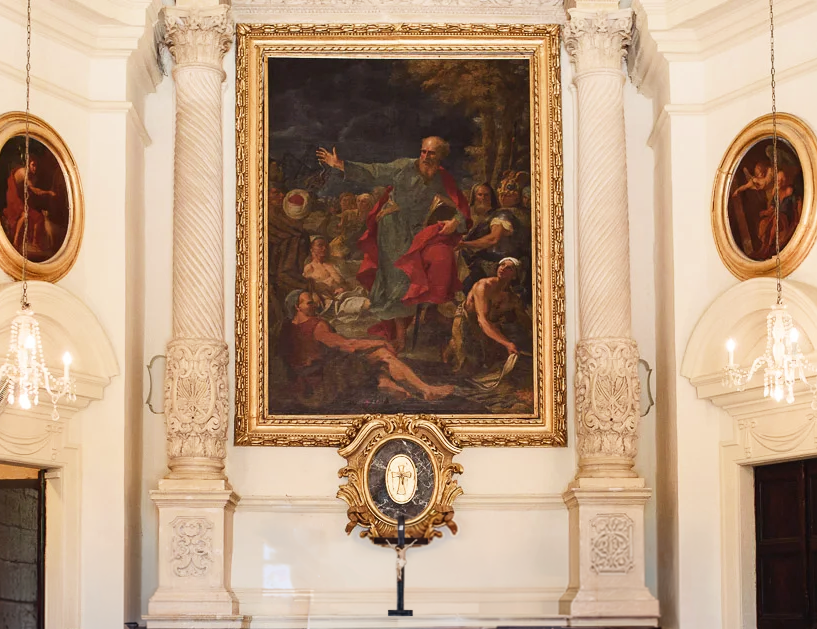
The titular painting of the Shipwreck of Saint Paul by Giuseppe D’Arena
Twentieth-century revival
In the mid-twentieth century, the Marquis John Scicluna became a devoted patron of the chapel. He established a perpetual foundation to ensure the regular celebration of Mass on Sundays and feast days. Under his patronage, the interior was whitewashed, new benches were installed, and a marble altar was consecrated in 1968 following the reforms of Vatican II.
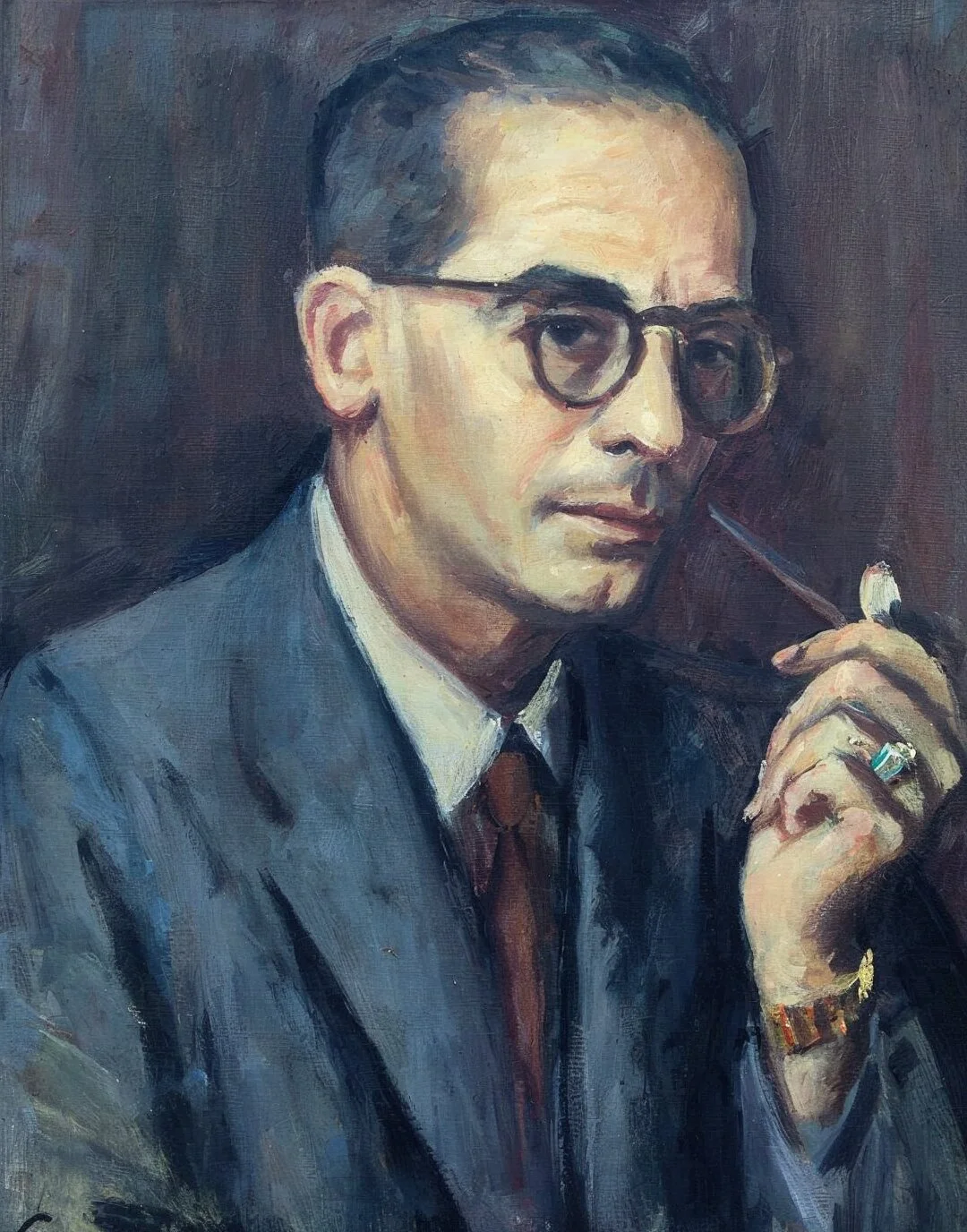
The Marquis John Scicluna
Electric lighting was introduced, new liturgical objects were donated, and additional devotional statues were added. His support ensured continuity at a time when many rural chapels faced neglect.
San Pawl tat-Tarġa is not defined by size or elaborate decoration. Its strength lies in its position, its layered history, and the steady commitment of the community that sustained it. It brings together legend, art and devotion — a small chapel carrying centuries of memory.
Sources:
Paul Catania u Carmel Spiteri - Kappelli Maltin
Il-kappella ta' San Pawl tat-Tarġa - Għaqda Mużikali Vittoria (Naxxar, Malta) 1999
San Pawl tat-Tarġa - Vincent Zammit, 2003